Stay updated on what is trending in health. Discover tips and resources for a healthier, balanced life.

H3N2 Influenza: Key Facts on the Fast-Spreading Flu Strain
Learn about the H3N2 influenza strain — symptoms, how it spreads, who’s most at risk, and how to protect yourself. A guide to staying safe this flu season.
DISEASES AND CONDITIONS
Dr. S. Ali
1/14/20265 min read
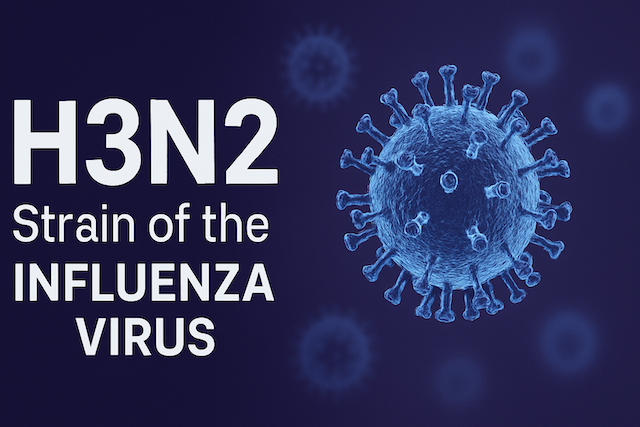
Every flu season is different — but some years, one strain dominates the headlines. Recently, H3N2, a subtype of influenza A, has been responsible for more severe and long-lasting flu outbreaks around the world. If you’ve heard people talking about “the strong flu going around,” they are often referring to H3N2.
This article breaks down what makes H3N2 unique, why it tends to cause more complications, and how you can protect yourself and your family.
What Exactly Is H3N2?
H3N2 is a subtype of the influenza A virus, identified by two proteins on its surface:
H (hemagglutinin)
N (neuraminidase)
These proteins help the virus enter and exit human cells. H3N2 isn’t new — it first emerged in 1968, causing the “Hong Kong Flu” pandemic. However, the virus mutates constantly, which means new versions of H3N2 can appear every flu season.
Why this matters:
Because H3N2 virus changes rapidly, our immune system doesn’t always recognize it, making infections more likely.
Global Spread of the H3N2 Influenza Strain
H3N2 is known for spreading quickly across continents because it mutates faster than many other flu strains. Each year, it moves through regions in waves — often beginning in Asia, then circulating through Europe, North America, and later reaching Africa and South America. Travel, crowded indoor environments, and seasonal climate changes all help the virus spread.
In recent years, H3N2 has caused significant outbreaks worldwide, with many countries reporting higher hospitalization rates among young children and older adults. Because the virus evolves rapidly, health agencies like the WHO closely monitor global patterns to update yearly flu vaccine formulations. The strain’s ability to shift and adapt is why annual vaccination remains the best protection against its widespread impact.
What recent global reports say about H3N2 spread
In early 2025, the World Health Organization (WHO) noted elevated influenza activity in North America, Central America / Caribbean, Northern Africa, Northern Europe / Eastern Europe, parts of Asia, and some countries in the Middle East and Western Africa — with H3N2 among the dominant flu strains in many of these regions.
As of late 2025, health authorities in China (e.g. Guangdong, Liaoning provinces) have issued alerts for an expected peak flu season, with H3N2 singled out as a primary concern.
The same year, surveillance data reported mixed or increased flu activity in South-East Asia, Western and Southern Asia, and some countries in Africa — indicating that H3N2 remains active in multiple regions.
Why Is H3N2 More Severe Than Other Flu Strains?
While many flu viruses cause mild to moderate symptoms, H3N2 is known for triggering more hospitalizations, especially in:
young children
older adults
pregnant women
people with chronic diseases (asthma, heart disease, diabetes)
Reasons H3N2 hits harder:
1. Faster mutation rate
H3N2 evolves quickly, which means immunity from last year’s infection or vaccine may not fully protect you.
2. Stronger inflammation
Studies show that H3N2 tends to cause more aggressive inflammation in the lungs and airways, leading to more severe respiratory symptoms.
3. Higher risk of complications
These include pneumonia, dehydration, sinus infections, and worsening of underlying illnesses.
How H3N2 Spreads
Like other flu viruses, H3N2 spreads through:
Respiratory droplets when sick people cough, sneeze, or talk
Contaminated surfaces, where the virus can survive for hours
Crowded indoor settings, especially during winter
People are most contagious in the first 3–4 days of infection, but can spread the virus a day before symptoms begin.
H3N2 Symptoms: What to Look For
Symptoms usually appear suddenly, not gradually.
Most common symptoms include:
High fever
Chills
Sore throat
Dry cough
Runny or blocked nose
Headache
Body aches (often severe)
Fatigue or exhaustion
Loss of appetite
Some people — especially children — may also experience vomiting or diarrhea.
How is it different from a common cold?
Colds come on slowly and are usually mild.
H3N2 strikes hard, fast, and causes high fever and severe muscle pain.
Complications to Watch Out For
Anyone can get sick, but some groups are at higher risk for severe illness.
Possible complications include:
Pneumonia (viral or bacterial)
Bronchitis
Asthma flare-ups
Ear infections
Severe dehydration
Heart complications (e.g., myocarditis)
Worsening of diabetes or chronic lung disease
Seek urgent medical care if you notice:
Difficulty breathing
Persistent chest pain
Confusion
Dehydration
Fever lasting more than 3 days
Blue lips or nails (especially in children)
How Long Does H3N2 Last?
Most people recover in 5–10 days, but:
Cough and fatigue may linger for 2–3 weeks
Children often take longer to bounce back
High-risk individuals may have prolonged symptoms
Diagnosis: How Do You Know If You Have H3N2?
A doctor may diagnose flu based on symptoms alone during flu season.
Testing options include:
Rapid influenza diagnostic tests (RIDTs)
PCR tests (more accurate and commonly used in hospitals)
Testing is especially important for high-risk patients so treatment can begin early.
Treatment: What Actually Works?
1. Antiviral Medications
If diagnosed early, your doctor may prescribe:
Oseltamivir (Tamiflu)
Zanamivir (Relenza)
Baloxavir (Xofluza)
These work best when started within 48 hours of symptoms.
2. Home care essentials
Rest
Hydrate well
Use paracetamol or ibuprofen for fever and aches
Warm fluids to soothe throat and cough
Humidifier to ease breathing
Antibiotics do NOT work for the flu unless there is a bacterial complication.
How to Protect Yourself From H3N2
1. Get the flu vaccine
Even though H3N2 mutates, the seasonal flu shot still:
Reduces severity
Decreases risk of hospitalization
Helps protect vulnerable people
Vaccination is especially important for:
pregnant women
adults over 65
young children
people with chronic diseases
2. Boost hygiene habits
Wash hands often
Use alcohol-based sanitizers
Avoid touching your face
Cover coughs and sneezes
Clean frequently touched surfaces
3. Avoid crowded indoor settings when outbreaks are active
If you must go, consider wearing a mask.
4. Strengthen immunity
Sleep well
Eat balanced meals
Stay hydrated
Exercise regularly
H3N2 vs. Other Flu Strains
You might hear people compare H3N2 to:
H1N1 (“swine flu”)
Usually milder than H3N2
Affects younger people more
Influenza B
Spreads more slowly
Causes childhood outbreaks
Why H3N2 stands out:
It tends to cause more hospitalizations and complications, especially in seniors.
Who Should Be Extra Careful?
The following groups should seek medical advice early:
Adults over 65
Children under 5
Pregnant women
People with asthma, heart disease, kidney disease, liver disease
People with weakened immune systems
People with diabetes
Nursing home residents
If someone in these groups develops flu symptoms, don’t wait — get evaluated immediately.
When Should You See a Doctor?
Seek medical help if you experience:
Shortness of breath
Persistent fever
Severe weakness
Chest pain
Confusion
Dehydration signs (dry mouth, low urine output)
Symptoms lasting more than 7 days
Children should be seen urgently if they have:
Rapid breathing
Blue lips
Trouble waking up
Severe irritability
Can You Get H3N2 More Than Once?
Yes.
Because H3N2 mutates quickly, immunity from a previous infection or vaccine may not fully protect you. Reinfections are possible — even in the same season.
Final Takeaway: Stay Prepared, Not Scared
H3N2 is not “just a flu.”
It’s a fast-spreading, often more severe strain of influenza A that can hit vulnerable people especially hard. But with the right steps — vaccination, hygiene, early treatment, and healthy habits — most people recover well.
Staying informed is the best way to stay protected.
Related Articles:
1. H3N2 Flu Outbreak in Delhi: Symptoms, Treatment & Prevention
2. What is Haemophilus influenzae? A Simple Guide to Understanding This Bacteria
Sources:
World Health Organization (WHO) — Influenza Update No. 509 (2025)
https://www.who.int/publications/m/item/influenza-update-n--509 (World Health Organization)
WHO — Global Respiratory Virus Activity Weekly Update (2025)
https://cdn.who.int/media/docs/default-source/influenza/influenza-updates/2025/202501_who-respiratory-virus-update_509.pdf (WHO)
Centers for Disease Control and Prevention (CDC) — 2024–25 U.S. Influenza Season Summary https://www.cdc.gov/flu/whats-new/2025-2026-influenza-activity.html (CDC)
CDC — Weekly US Influenza Surveillance Report (2025, Week 12)
https://www.cdc.gov/fluview/surveillance/2025-week-12.html (CDC)
European Centre for Disease Prevention and Control (ECDC) — Threat Assessment Brief on H3N2 Subclade K (2025)
https://www.ecdc.europa.eu/en/publications-data/threat-assessment-brief-assessing-risk-influenza-november-2025 (ECDC)
WHO — Influenza Season Summary Report (2024-2025)
https://cdn.who.int/media/docs/default-source/influenza/influenza-updates/summary-reviews-of-influenza-seasons/2025_09_18_influenza-season-summary-report.pdf (WHO)
WHO — Influenza Update No. 490 (2024)
https://test-cms.who.int/publications/m/item/influenza-update-n--490 (WHO Test CMS)
WHO — Influenza Update No. 489 (2024)
https://test-cms.who.int/publications/m/item/influenza-update-n--489 (WHO Test CMS)
WHO Western Pacific Regional Office — Seasonal Influenza Situation Update (2025) https://cdn.who.int/media/docs/default-source/influenza/wpro---documents/emergency/surveillance/seasonal-influenza/influenza_20250702.pdf?download=true&sfvrsn=dc2278ab_1 (WHO)
Pulse Your Health
Empowering you to achieve your health goals.
Contact
© 2026. All rights reserved.
Disclaimer: The content on this website is for informational purposes only and is not medical advice. Always seek the advice of your physician or other suitably qualified healthcare professional for diagnosis, treatment and your health related needs.